
Cultural insights into gambling Unveiling diverse perspectives across the globe
The Historical Context of Gambling Worldwide
Gambling has deep historical roots that vary significantly across cultures. In many ancient civilizations, betting on games of chance was intertwined with religious practices and rituals. For instance, the Chinese have a rich history of gambling dating back to the Shang Dynasty, where dice games were played during ceremonies. Similarly, the Romans engaged in betting on gladiator fights, which illustrates how gambling has long been part of public entertainment and social gatherings. Today, many players prefer using platforms known for their efficient payouts, such as an instant pay casino, which enhances the overall experience.

In Europe, the establishment of lotteries in the Middle Ages served both as a source of revenue for governments and as a means of distributing wealth. These early forms of gambling laid the groundwork for the modern casinos we see today. As societies evolved, so did the laws and regulations surrounding gambling, influencing how it was perceived. In many cultures, gambling became a reflection of social status and economic conditions, shaping local attitudes toward risk and chance.
Across the globe, the historical context of gambling reveals a tapestry of practices deeply embedded in societal norms. From the high-stakes games of the aristocracy in 18th-century France to the vibrant street gambling found in India, these activities reflect both cultural significance and economic implications. Understanding these historical nuances is key to grasping contemporary perspectives on gambling, as they often influence modern legislation and public opinion.
Gambling as a Cultural Ritual
In various cultures, gambling transcends mere entertainment; it evolves into a spiritual and communal ritual. For instance, in the indigenous cultures of North America, gambling often serves as a means of social cohesion. Traditional games are played during gatherings, reinforcing community bonds and cultural identity. This aspect of gambling emphasizes shared experiences and collective joy, which are vital to maintaining social fabric.
In many Asian cultures, gambling is integrated into major festivals. The Lunar New Year in China is a prime example, where families engage in games that symbolize prosperity and luck. Such rituals are not merely about winning but about fostering togetherness and celebrating traditions. The significance of these practices often leads to the normalization of gambling, embedding it within the cultural narrative and shaping future generations’ attitudes toward it.
Moreover, in some cultures, gambling rituals are linked to divination and fate, where outcomes are interpreted as omens or messages from the divine. This belief underscores the spiritual dimension of gambling, illustrating how different cultures infuse meaning into their gaming practices. The blending of rituals with gambling not only enhances community ties but also reflects a deeper understanding of chance and destiny.
Modern Perspectives on Gambling
As societies have evolved, so have their perspectives on gambling, particularly with the advent of online platforms. In Western countries, the rapid rise of internet gambling has sparked debates around addiction and regulation. While proponents argue for its economic benefits, critics highlight concerns about accessibility and social consequences. This dichotomy has led to a reevaluation of gambling laws to strike a balance between personal freedom and public welfare.
In contrast, countries in Asia, where gambling is often restricted, approach modern gambling with caution. For example, Singapore legalized casinos in a bid to boost tourism while instituting strict regulations to mitigate gambling addiction. This approach exemplifies a blend of modernization and cultural conservatism, reflecting a unique stance on how gambling should fit into contemporary society.
Additionally, the stigma surrounding gambling varies greatly among cultures. In some regions, gambling remains a taboo, often associated with moral failings and personal crises. Conversely, in places where gambling is widely accepted, it is celebrated as a form of entertainment. The disparity in attitudes reveals the complexity of gambling as a social phenomenon, influenced by historical, economic, and cultural factors.
The Role of Technology in Global Gambling Culture
The integration of technology into gambling has revolutionized how people engage with games of chance. Online casinos and mobile applications have made gambling more accessible than ever, allowing individuals to participate from the comfort of their homes. This shift has not only expanded the reach of gambling but has also diversified the types of games available, catering to a wider range of preferences and cultures.
However, the proliferation of online gambling raises important questions about regulation and consumer protection. Many countries struggle to keep up with the rapid pace of technological advancements, often leading to gray areas in legislation. This issue highlights the need for a comprehensive understanding of gambling practices across cultures to develop effective regulations that protect players without stifling innovation.
Moreover, the rise of technology has introduced new forms of gambling, such as esports betting and cryptocurrency casinos. These trends reflect the evolving nature of gambling culture and the need for adaptability among regulatory bodies. As technology continues to shape the gambling landscape, understanding global perspectives will be vital in fostering responsible gambling practices and addressing the challenges that arise.
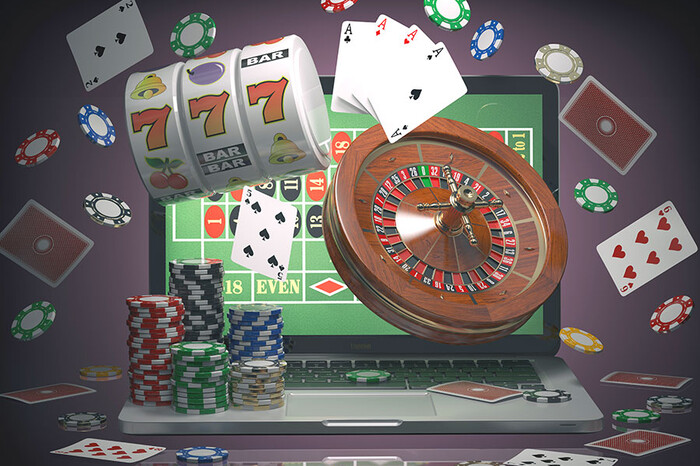
Exploring the Website for Gambling Insights
This website serves as a vital resource for individuals seeking insights into the global gambling landscape. By providing comprehensive reviews and comparisons of various online casinos, it empowers users to make informed decisions. The platform focuses particularly on fast withdrawal casinos, showcasing options that allow players to access their winnings quickly and efficiently. This emphasis on user experience reflects the growing demand for seamless and responsible gambling practices.
In addition to reviews, the website offers valuable information regarding payment methods, bonuses, and the advantages and limitations of different platforms. This thorough approach aids gamblers in navigating a complex market and finding options that best suit their needs. By highlighting reliable withdrawal methods such as Interac and cryptocurrencies, the site enhances user confidence in their gambling choices.
Ultimately, this resource aims to contribute positively to the gambling culture by promoting informed decision-making. Through its focus on efficiency and user experience, it encourages responsible gambling while also recognizing the diverse perspectives that shape global gambling practices. Whether you’re a seasoned player or new to the gaming world, this website provides the insights needed for a hassle-free and enjoyable experience.